
Newsletter
June 17th
Acknowledgements
We acknowledge the Wurundjeri, the traditional custodians of the land upon which we meet, and pay respect to their elders, past, present, and emerging, and in the spirit of reconciliation, welcome people from all nations.

At Birralee Primary School we value diversity and inclusion.

At Birralee Primary School we value diversity and inclusion.

Principal's Report
End of Term 2 - 2:30pm dismissal
Friday 26th June is the last day of Term 2. School will finish at 2:30pm.
Term 3 resumes on Monday 13th July.
Praise
Last week I had a lovely chat with one of the presenters for our body safe program. A question I asked was “How is the behaviour of the students at Birralee?”
I am very pleased to say that her reply was that our students are polite, well-mannered and ask excellent questions. She went on to say, “Birralee is a standout school, we love coming here.”
It is wonderful to have such positive feedback – a credit to our students, our staff, and our parents.
Junior Musical Soiree
Last night we hosted our first junior musical soiree for the year. It was simply delightful watching these young musicians perform – some for the very first time in public, to a warm and supportive audience of family and friends.
Many thanks to our music teacher, John Leever for organising this event. Our senior musical soiree will follow next Tuesday.
New Website
Please log on to our website to see its new look. The site is now very mobile phone friendly. We are still in the process of populating it with new information, but I am sure you will find it must easier to navigate. From the school administration perspective, it is extremely easy to post information.
NO U-TURNS in Heyington Avenue
Last year Manningham Council erected a No U-Turns sign in Heyington Avenue. We also have a warning on our school sign reminding drivers. Unfortunately, some parents are still making U-Turns, meaning the car must be put into reverse, which is extremely dangerous when children are around. Please respect this road rule; it is for the safety of our students. Rather than turning in Heyington Avenue, turn at right at Warren Street, or continue down the hill and turn left or right at Stanton Street. Both routes will allow you to get back to Wilsons Road and keep our students safe.
Mobile Phones, Smart Watches
Hopefully all parents have familiarised themselves with our school policies. They can be found on our Birralee website: Our School-Policies.
I would like to draw your attention to our Mobile Phones and Communication Devices policy. In accordance with the Department’s ‘Mobile Phones — Student Use Policy’ issued by the Minister for Education, personal mobile phones must not be used at any school during school hours, including lunchtime and recess.
With the rapid advancements in technology, we have defined mobile phones in the following manner:
“A mobile phone is a telephone with access to a cellular (telecommunication) system, with or without a physical connection to a network. For the purpose of this policy, ‘mobile phone’ refers to mobile phones or other devices that can make or receive calls and may connect to or have a similar functionality to a mobile phone (e.g. smart watches).”
We have noticed an increasing number of students are wearing smart watches to school. Some students receive notifications and messages throughout the day. This should not be happening.
What is our rationale for enforcing this ban?
- Distraction from Learning Even when used appropriately, smartwatches can deliver notifications, display messages, encourage students to check the device repeatedly. They distract both the wearer and nearby students from their learning. For younger primary students, the mere presence of a communication device can be a significant distraction.
- Circumventing the Mobile Phone Ban If phones are banned but smartwatches are permitted, the policy becomes difficult to enforce because students effectively retain a wearable mobile phone.
- Student Wellbeing and Independence – speaks for itself, children need to be independent
- Cyberbullying and Inappropriate Communication These devices enable cyberbullying and social conflict to occur during school hours where students should feel safe.
- Privacy and Child Safety Schools have obligations to protect the privacy of students and staff. It is difficult to manage those obligations when students carry devices capable of recording and transmitting information.
- Equity and Social Inclusion Smartwatches can become status symbols.
Students and parents claim that the child’s watch is in school safe mode, but sadly we have had occasions where a child has been communicating with a parent whilst supposedly in school safe mode. "School Mode" is not a standardised feature across all smartwatches. What it does, depends entirely on the manufacturer and model.
The issue is not whether a particular smartwatch is currently receiving messages. While we appreciate that the device may have a School Mode setting, the school cannot verify the functionality of every model or whether settings remain unchanged throughout the day. Our policy applies to the device itself, not to the settings selected by the user. Please keep your child’s smart watch at home.
Principal Selection Process for 2027
Many people have asked about the process to select a new principal to start the 2027 school year after my retirement.
In Victorian Government schools, principal class appointments are run under the Department of Education’s principal selection procedures (set out in the Schools Policy and Advisory Guide), and the panel is designed to balance school council voice, departmental oversight, and professional principal-class expertise.
I will inform the officer in charge of principal appointments, Mr Paul Muller, of my intention to retire prior to the start of the 2027 school year. I will do this in early Term 3. The usual timeline is that an advertisement for the principal position at Birralee will be posted on the Department of Education’s Recruitment site a week or so before the end of Term 3, allowing applicants time to complete their applications during the school holidays.
Interviews will take place early in Term 4, allowing a handover to take place between the newly appointed principal and me, prior to the end of the school year.
The typical composition of a principal selection panel usually includes 5–7 voting members:
- School Council representation (majority group)
- School Council President (Chair of the panel)
- 2–3 elected School Council members (often including at least one parent and one staff member representative)
This group ensures the school community has a strong voice in the appointment.
- Department of Education representation
- A representative nominated by the Regional Director (often an Area Executive Director, Senior Education Improvement Leader, or HR delegate) This will most likely be my immediate superior, SEIL Carolyn Elliot. Carolyn knows Birralee extremely well.
This member ensures the process aligns with departmental policy, merit selection requirements, and procedural fairness.
- Principal class professional peer
- An experienced principal from another government school (Principal class peer)
This role focuses on assessing leadership capability against the principal standards and provides professional judgement from within the same classification.
Key features of the panel structure
- The School Council President chairs the panel, but decisions are made collectively.
- All voting members must complete Department-approved selection training before participating. This is usually convened by the SEIL – in this case most likely Carolyn Elliot.
- The panel must demonstrate gender balance and fair representation principles where possible.
- At least one member of the panel must have undergone merit-based training
- Final recommendation is forwarded to the Regional Director for approval and appointment.
- This combination is intended to ensure the appointment is both community-endorsed and professionally validated.
Parent Engagement
I came across the following article when researching engagement – it contains some excellent advice:
How involved should parents be in their child’s education? It is one of the most common questions asked at school gates across Australia. Parents want to provide every opportunity, yet they also want their children to grow into capable, independent young people.
Striking the right balance is not about doing more. It is about doing the right things at the right time.
Research consistently shows that when families actively engage in learning, children benefit academically, socially and emotionally. The challenge is knowing what that engagement looks like from Kindergarten through to Year 12.Involvement and engagement: what is the difference? Parents often assume that being present at school events equals educational support. While participation in school life is valuable, it differs from direct engagement in learning.
Parental involvement includes volunteering, attending information evenings and joining community groups. These activities strengthen relationships and build trust between families and schools. They also show children that education matters.
Parental engagement focuses on learning itself. It includes discussing school topics at home, encouraging reading, supporting study routines and helping children connect classroom concepts to real life. Engagement does not require subject expertise. It requires interest, encouragement and consistency.
The Australian Institute for Teaching and School Leadership highlights that meaningful family engagement improves academic outcomes and student wellbeing. Similarly, Evidence for Learning Australia reports that parental engagement strategies can contribute to measurable academic progress over time. Understanding this distinction helps answer the question many families ask: how involved should parents be in their child’s education? The evidence suggests that quality engagement matters more than quantity of school-based activity.
Why engagement matters more than you think: Australian data supports the powerful role of parents in shaping educational outcomes. The Australian Council for Educational Research (ACER) has found that parental expectations and attitudes towards education significantly influence student achievement, even after accounting for socio-economic background.
Children whose parents communicate expectations are more likely to complete secondary school and pursue further education. Importantly, this influence begins early and continues through adolescence. Engagement also supports wellbeing. The Australian Research Alliance for Children and Youth reports that positive parent–child learning interactions strengthen resilience and long-term educational success. These skills directly impact classroom behaviour and learning.
The NSW Department of Education's research on parent partnerships also reinforces the strong connection between parent engagement and improved student learning outcomes. The message is clear. Children thrive when parents remain interested and informed, while still allowing room for independence.
What engagement looks like in early years: In preschool and primary school, engagement is hands-on and visible. Reading aloud each day remains one of the most powerful strategies for literacy development. Conversations during everyday routines also matter. Talking about shopping lists, cooking measurements or weather patterns builds vocabulary and numeracy skills naturally.
Young children benefit from structured homework habits. Setting a regular time and calm space signals that learning is important. Praise effort rather than results. This approach builds persistence and growth mindset.
Curiosity should lead the way. If your child asks questions about space, insects or ancient history, explore the topic together. Visit libraries, watch documentaries or conduct simple experiments at home. These shared experiences create positive associations with learning.
Supporting independence in upper primary: As children move through upper primary, parents should gradually shift from direct instruction to guided support. Encourage your child to attempt tasks independently before stepping in. Ask questions such as, “How might you solve that?” rather than providing answers. Develop organisational skills early. Teach children how to use planners and break larger projects into manageable steps. These habits prepare them for the increased workload of secondary school.
Friendships and peer influence become more significant at this stage. Maintain open conversations about social dynamics and digital citizenship. Discuss responsible technology use and model balanced screen habits at home.
Stepping back without stepping away in secondary school: Many parents feel unsure about their role once children reach high school. Coursework becomes more complex and teenagers seek greater autonomy. However, parental engagement remains essential. Instead of checking every assignment, focus on maintaining regular communication. Ask specific questions about subjects, assessments and goals. Show interest in effort and improvement rather than solely in grades.
The question of how involved parents should be in their child’s education becomes particularly relevant during adolescence. Research continues to show that parental expectations shape subject selection and post-school pathways throughout the senior years. Support study routines by helping your teenager create realistic timetables. Encourage balance between academics, co-curricular activities and rest. Protecting sleep and wellbeing often matters more than adding extra tutoring. At this stage, emotional support carries significant weight. Teenagers who feel trusted and respected are more likely to seek guidance when they need it.
When involvement becomes over-involvement: While engagement is beneficial, over-involvement can hinder development. Completing assignments, micromanaging projects or negotiating every challenge deprives children of growth opportunities. Struggle builds resilience. Mistakes teach problem-solving. Failure, when supported constructively, strengthens perseverance. Parents should resist the urge to intervene immediately. Instead, coach children through setbacks. Ask reflective questions and encourage them to identify solutions. This approach fosters independence and confidence.
Balance also means allowing children to advocate for themselves. Encourage them to speak with teachers if clarification is needed. Learning to communicate respectfully with adults prepares students for university and the workplace.
Building a learning culture at home: A strong learning culture does not require expensive resources. It grows from consistent habits and positive attitudes. Model lifelong learning. Read books, listen to podcasts or pursue new skills. Children who see adults learning understand that education extends beyond school years. Discuss current events at the dinner table. (Make sure you all eat together and have a ‘no phones at the table rule’ – parents included!) Link news stories to geography, economics or history topics. These conversations build critical thinking and real-world connections.
Celebrate progress. Recognise effort, improvement and persistence. Achievement includes more than high marks. Most importantly, maintain warmth and interest. Children of all ages benefit from knowing that their parents value their ideas and experiences.
Finding the right balance: So, how involved should parents be in their child’s education? The answer evolves across each developmental stage. Early years require active participation and structure. Adolescence calls for guidance paired with trust. The most effective approach combines expectations with support. Stay informed. Stay interested. Step in, when necessary, but step back when growth demands independence.
Australian research confirms that engagement is one of the strongest predictors of academic success and wellbeing. It outweighs background factors and creates long-term benefits.

Ashley Ryan
PRINCIPAL

Winner of the 'Name the Crane competition' came from our school!
There were over 200 entries in the Name the Crane competition with some very creative suggestions and terrific colouring-in efforts.
WINNER: JOHAN C with the winning name LIGHTNING McCRANE
The Excellence Awards was won by Julian C who named the crane GRU THE GREAT.
The reason he picked the name:
“There is this movie called “Cars” featuring a car named Lightning McCrane and the crane is electric so that is why I chose Lightning McCrane”.
Johan wins a certificate and a $500 Lego voucher and will be able to visit the Doncaster Park and Ride site to take a photo in front of the tower crane and the flag that will have LIGHTNING McCRANE on it.Julian will receive a certificate and a $50 giftcard.

PFA News
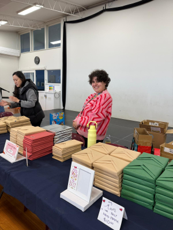
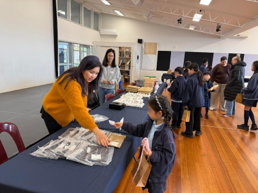
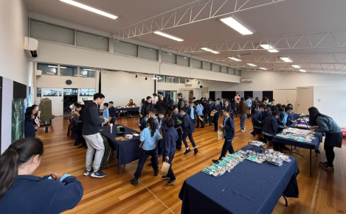
Mother’s Day Stall was held on Friday 8 May, and what great participation we had from so many students. Thank you to the teachers who helped coordinate the times so the day went smoothly. I’m sure Mums and special grown-ups felt really blessed receiving their specially chosen gifts.
Pies and Other Baked Goods Fundraiser: We are very excited to partner with Egon’s, Templestowe Lower for a baked goods fundraiser! We’re talking meat pies and pasties, danishes and croissants, jam donuts and pretzels. All baked fresh in-house!
Delivery date: Wednesday 17 June 2026.
PFA Fundraising Commitment: The school council has approved the most recent PFA fundraising commitment to raise funds for the installation of shade sails over the new playground area. This exciting project will help create a safer, more comfortable outdoor space for students to play, connect, and enjoy throughout the year, while also enhancing the school environment for our growing community.
Local Business Support Request: We would love the support of our wider school community in helping us connect with local businesses for donations and sponsorship of our upcoming PFA fundraising events. If you own a business, or have connections with local businesses who may be willing to contribute prizes, vouchers, or services, we would greatly appreciate your help in sharing our donation request letter. Printed copies are available from the school office, and a digital copy can be emailed upon request - please email PFA if you would like one.
Next PFA Meeting - Monday 7pm 27 July at Pancake Parlour - RSVP via email!
pfabirralee@gmail.com

Dates to Remember
Please take note of our upcoming events.
Check back regularly for updates.






.jpg)
.png)
.jpg)

- Curriculum Day
Date: November 02, 2026
Time: All Day
Curriculum Day - no students at school- Melbourne Cup
Date: November 03, 2026
Time: All Day
- Junior Soirée
Date: November 10, 2026
Time: 06:30pm - 08:00pm
- Senior Soirée
Date: November 12, 2026
Time: 06:30pm - 08:00pm
- End of Year Music Concert
Date: December 01, 2026
Time: 06:30pm - 09:00pm
- End of Term 4
Date: December 18, 2026
Time: 08:50am - 01:30pm
End of Year - 1:30 pm dismissal
Extracurricular Activities
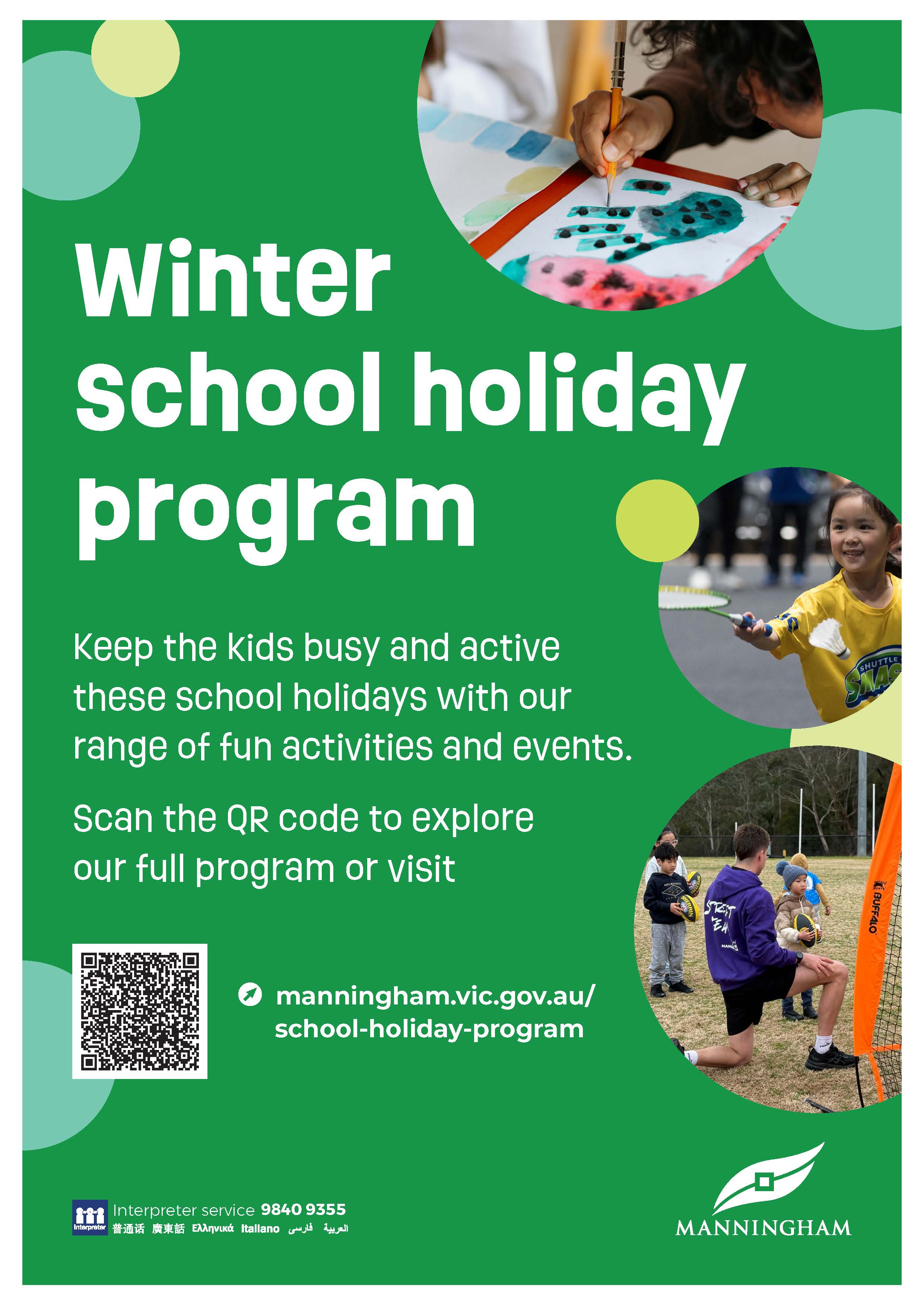
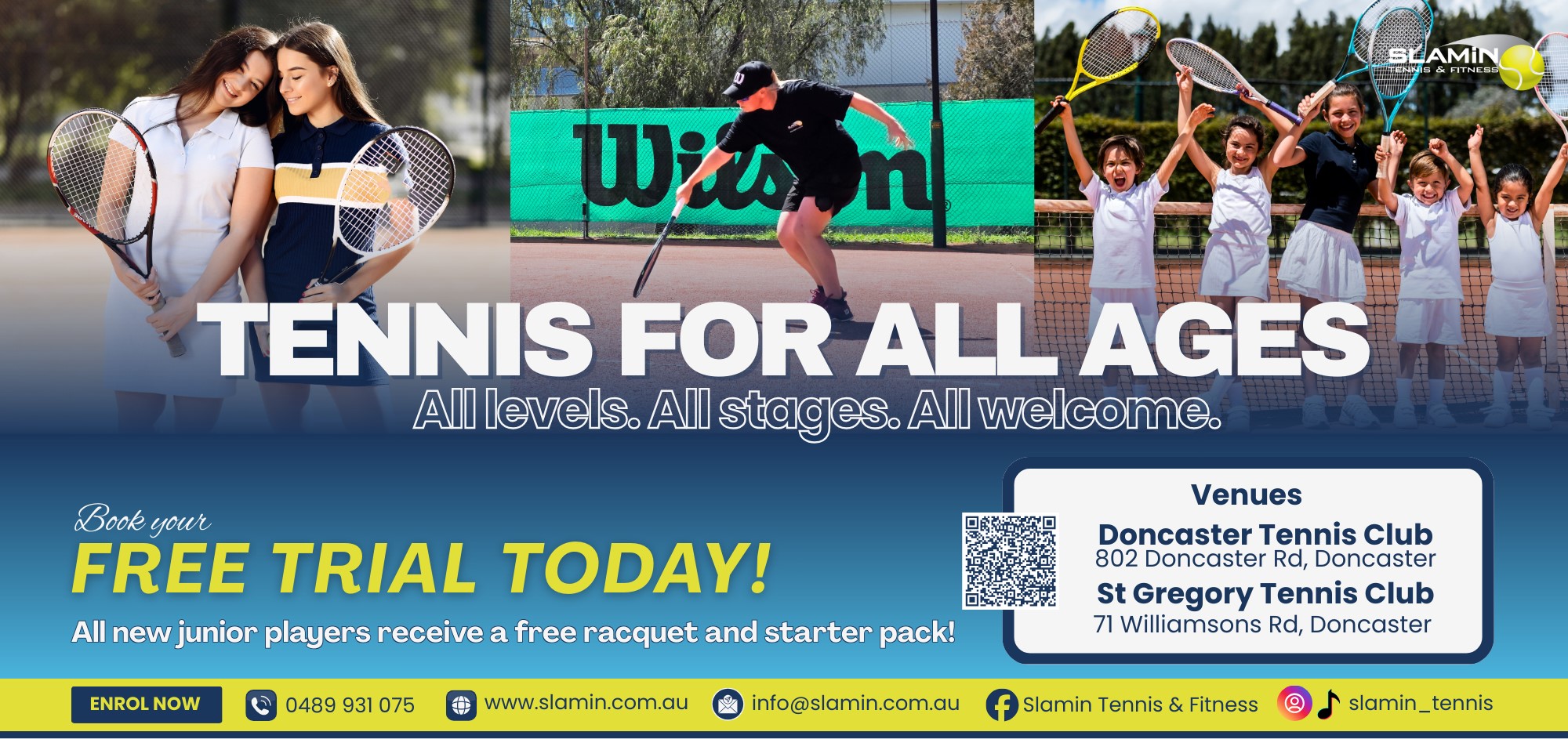
We have various tutors and organisations who provide private tuition and programs before, during or after school. New programs are advertised via flyers or in the community news section of the newsletter. Please contact the event organiser to enrol your child.
Canteen
Lunch orders are available for lunch (12:50pm). Orders can be placed in advance and need to be in by 9:00am for same day processing. To place an order download the Qkr! App.
Click here for instructions on how to download and use Qkr!
Click here for instructions on how to download and use Qkr!
Community News